Mobile App Development
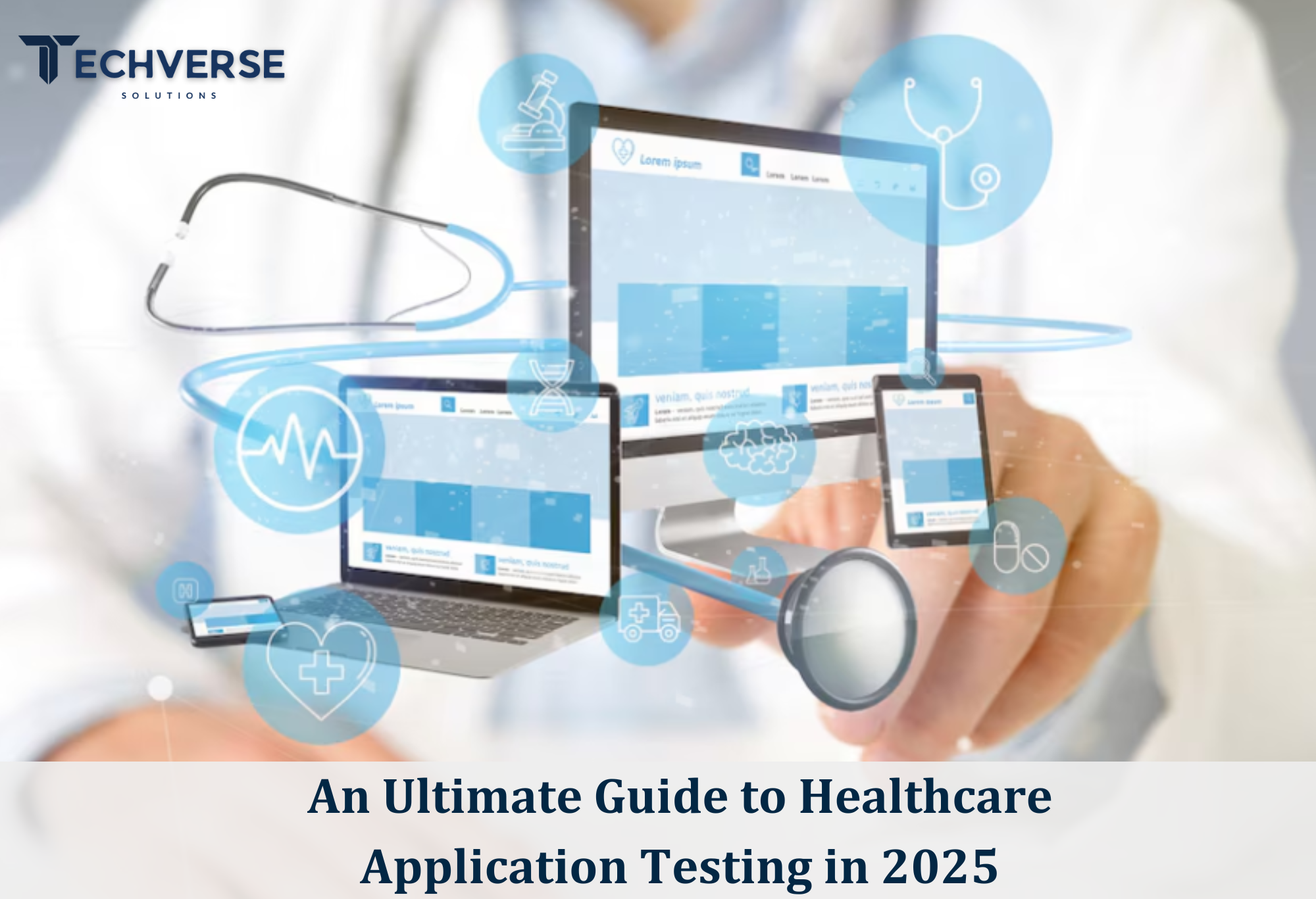
An Ultimate Guide to Healthcare Application Testing in 2025
Vandana
|Aug 27, 2025
The healthcare industry has always been one of the most critical sectors, and with digital transformation accelerating rapidly, Healthcare Application Development has become a booming field. In 2025, healthcare apps are no longer just simple appointment schedulers or record keepers—they are sophisticated, data-heavy platforms that often integrate AI, IoT devices, telemedicine features, and strict compliance requirements. With such complexity, healthcare application testing has evolved into a mission-critical step in the app development lifecycle.
Whether you’re a startup making your first app or a software development company in Los Angeles building healthcare software, knowing how to test healthcare apps properly can help you avoid expensive errors and legal issues.
Why Healthcare Application Testing Is Non-Negotiable in 2025
Healthcare apps deal with sensitive patient data, support remote diagnosis, and aid critical decisions. Any bugs or failures in these apps can put patient privacy and health at serious risk. Laws like HIPAA in the US and GDPR in Europe enforce strict rules to protect this data. If you don’t comply, you risk hefty fines and serious harm to your organization’s reputation. That’s why thorough testing of custom healthcare applications is essential—not just a technical step but a vital ethical responsibility and legal requirement. Ensuring these apps work correctly helps protect patients and keeps your business compliant with important regulations.
Key Challenges in Healthcare Application Testing
1. Complex Integration and Interoperability
Healthcare apps often need to integrate with various systems such as Electronic Health Records (EHR), pharmacy databases, wearable devices, and insurance platforms. Testing these integrations for seamless data exchange without errors is crucial.
2. Data Privacy and Security
Testing must verify that patient data is encrypted, access is properly controlled, and no data leaks occur. Security vulnerabilities are a top target for hackers, making penetration testing and vulnerability assessments vital.
3. Regulatory Compliance
Each region has specific healthcare regulations. Testing needs to ensure that the app meets these requirements, including audit trails, data retention policies, and consent management.
4. User Experience (UX)
Healthcare apps serve a wide range of users—patients, doctors, nurses, and administrative staff—with varying levels of tech-savviness. Testing must cover usability, accessibility, and performance to ensure the app is intuitive and responsive.
5. Real-Time Data and Performance
Some healthcare apps process real-time data from IoT devices or support telemedicine video calls. Testing must simulate real-world scenarios with high load, network variability, and latency.
Best Practices for Healthcare Application Testing in 2025
1. Automated and Manual Testing Hybrid
While automation speeds up repetitive tests (e.g., regression, API testing), manual testing is indispensable for UX, exploratory, and compliance checks. Use automation for smoke tests and critical workflows, but don't skip hands-on reviews.
2. Continuous Testing in DevOps Pipelines
In modern App Development, integrating testing into Continuous Integration/Continuous Deployment (CI/CD) pipelines helps catch defects early. It ensures that every build, whether a small patch or a major release, passes compliance and functional tests before production.
3. Security-First Testing
Security testing must go beyond basic penetration testing. Use static and dynamic code analysis, threat modeling, and simulate attacks like SQL injection, cross-site scripting, and data breach scenarios.
4. Use Realistic Test Data
Test data must mimic real patient data without violating privacy. Mask or anonymize data to comply with regulations while ensuring tests reflect actual user scenarios.
5. Performance and Load Testing
Simulate peak loads, especially for telemedicine and remote monitoring apps. Check how your app behaves under stress and during network interruptions, which are common in real-life healthcare settings.
6. Accessibility Compliance
Healthcare apps must be easy to use for people with disabilities. Check that they follow standards like WCAG to make sure everyone can use them.
Tools and Technologies Shaping Healthcare App Testing
In 2025, testing tools are more sophisticated and AI-powered, helping teams uncover bugs faster and with greater accuracy.
AI-Powered Test Automation: Tools like Testim and Functionize use machine learning to create smarter test scripts and adapt to UI changes.
API Testing Tools: Postman and SoapUI remain industry favorites for testing complex API integrations with healthcare systems.
Security Testing Suites: OWASP ZAP and Burp Suite continue to be essential for security auditing.
Performance Testing Tools: JMeter and LoadRunner simulate various load conditions crucial for healthcare apps dealing with real-time data.
Compliance Management Platforms: Special tools make sure apps follow rules by tracking audit logs and keeping records.
Why Choose a Software Development Company in Los Angeles That’s Specialized
If you’re looking to develop or test a healthcare app, teaming up with a software development company in Los Angeles like Techverse Solutions can give you a competitive edge. Here’s why:
Domain Expertise: Healthcare app developers with experience understand the complexities of compliance and integration.
Tailored Solutions: Custom Healthcare App Development means building apps that precisely fit your workflows and user needs.
End-to-End Services: From initial planning and development to rigorous testing and post-launch support, a full-stack company handles it all.
Access to Latest Tech: Los Angeles-based firms are often at the cutting edge of innovation, leveraging AI, machine learning, and cloud technologies.
Regulatory Knowledge: Local companies often have a better grasp of US-specific regulations like HIPAA, ensuring your app stays compliant.
Final Thoughts
The healthcare app market is exploding with opportunities, but it’s also littered with pitfalls—especially around software quality and compliance. In 2025, Healthcare Application Testing is more critical than ever. It’s not just about finding bugs; it’s about safeguarding patient lives, privacy, and trust.
Whether you’re diving into your first healthcare app project or refining an existing platform, partnering with experts in healthcare software development like Techverse Solutions can make all the difference.
The best healthcare apps are carefully tested using both automation and manual checks, following strict rules to ensure they are secure, easy to use, and work perfectly.